The architectural glass landscape is undergoing a massive transformation driven by stricter energy regulations and the demand for high-performance building envelopes. For manufacturers, staying competitive means transitioning from traditional manual methods to sophisticated, integrated systems. As you seek to optimize your production facility, Wentrica stands out as a partner in this journey, who provides high-end solutions that bridge the gap between current operational challenges and future market demands. Their commitment to innovation to meet the rigorous standards of modern IGU manufacturing.
Why Are Your IGU Production Efficiency and Quality Still Stalling?
The fabrication of Insulating Glass Units (IGU) involves highly intricate steps. Even tiny mistakes often result in seal failures or weak thermal output. You might notice that manual handling frequently leads to glass surface smudges. Inconsistent sealant application is another common issue. These flaws compromise the long-term durability of your units. Furthermore, the rising cost of hiring staff is a burden. Skilled technicians are also quite hard to find nowadays. This makes it difficult to maintain a massive output without losing precision. Traditional horizontal lines often take up too much floor space. They struggle with the heavy weight of modern triple-glazing setups. These common bottlenecks stop you from growing your business. Although many factories attempt to fix these issues with partial upgrades, the lack of a fully cohesive system often results in continued efficiency losses. They make it hard to meet the rising demand for energy-saving windows.
Full Automation and Intelligent Control Systems
Moving toward fully automated setups is the smartest way to stop human errors. It ensures that your quality remains the same every single day. Modern machinery now blends every stage of work into one smooth flow. You can handle very complex tasks through one central screen. This shift toward smart technology is vital for survival. It allows the machines to adjust themselves for different glass thicknesses. They can also handle various sizes without someone having to fix them manually.
PLC Integrated Production Management
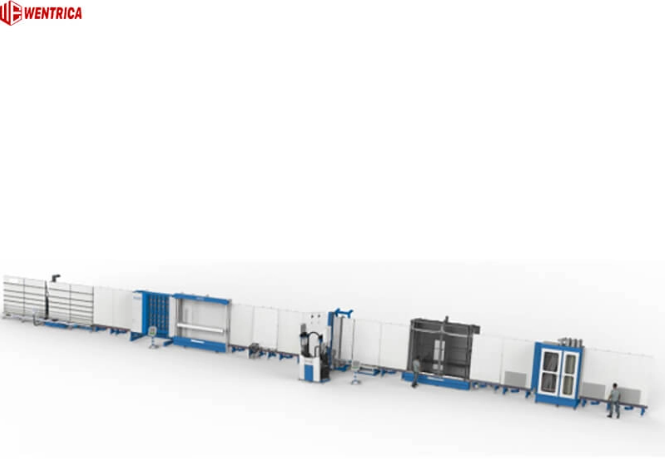
Modern lines use advanced PLC systems to keep everything in sync. They manage the washing, spacer placement, and pressing stages together. This coordination ensures that the speed of each part matches the total output. It stops products from piling up at one station. Because the system continuously monitors each motor’s load, it successfully cuts down on energy use when the line is waiting.
High-Precision CNC Processing Technology
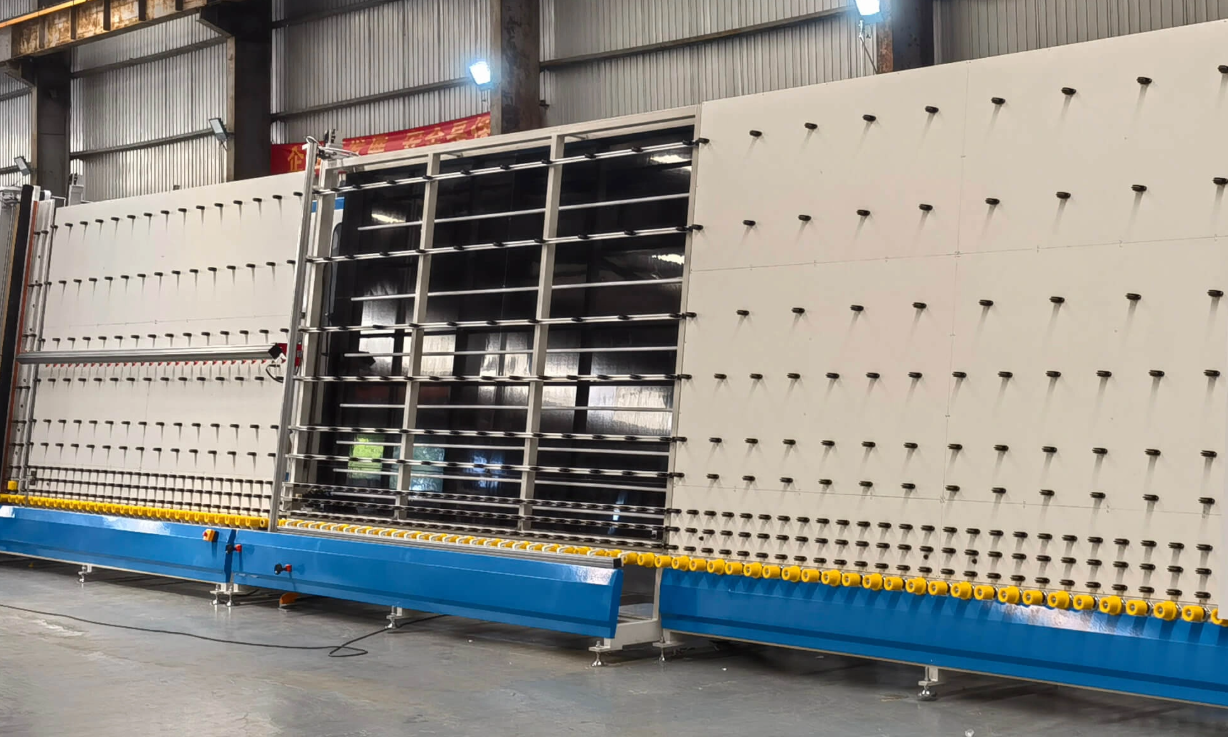
Computer Numerical Control (CNC) brings extreme accuracy to the assembly of IGUs. By using the Automatic Vertical CNC Insulating Glass Production Line, you get perfect alignment. The glass sheets and spacers fit together exactly right. This precision is critical for the structural strength of the unit.
Seamless Data Workflow Integration
Digital workflows let you check production stats in real-time. You can connect your machines to a central office computer. This helps you watch output levels closely. You can also spot maintenance needs very early. If the software detects a slight deviation in performance, it alerts the operator immediately to prevent long delays that cost you money.
Energy Efficiency and Sustainable Green Manufacturing
Global building laws now focus heavily on heat insulation. This puts a lot of pressure on glass shops to lower U-values. The industry is moving away from old-style aluminum spacers. Instead, people want "warm edge" tech and inert gas filling. Picking up these new methods is a must today. You need them to sell glass for luxury homes.
TPE Warm Edge Spacer Application
Thermoplastic Spacers (TPE) work much better than metal ones. They provide a top-tier thermal shield for the glass. Using a TPE Warm Edge Insulating Glass Line is very beneficial. It creates a flexible seal that handles heat and cold well. While traditional metal spacers often create a thermal bridge at the glass edge, TPE materials maintain a consistent temperature to prevent fogging.
Online Automatic Gas Filling Solutions
Filling the gap with Argon or Krypton gas is crucial. It creates high-performance units that save on heating bills. Automated gas filling happens during the pressing stage. This ensures the gas stays inside the unit at a high level. It meets global energy rules with almost no gas wasted.
Low-E Glass Specialized Processing Capability
Handling Low-E glass requires special brushes and smart sensors. These tools protect the very thin metal layer on the glass. Future-proof machines must have soft-brush washing systems. They also need sensors that do not touch the surface. This ensures the coating stays perfect during the whole process.
Modular Design and Flexible Production Capabilities
Architects are creating more complex glass designs today. Your production line must be flexible enough to keep up. It needs to handle different glass types easily. This includes very large or extra-heavy sheets. Modular designs let you grow your factory at your own pace. You can add a sealing robot later when you have more funds.
Vertical Space-Saving Structural Layout
Vertical lines are now the top choice for smart factories. They use much less floor area than horizontal systems. Using an Automatic Vertical Insulating Glass Production Line is very wise. It allows you to move big glass sheets with total safety. Since the vertical orientation supports the glass more evenly, it effectively stops the glass from bending or snapping.
Customizable Equipment Configuration Options
A modular setup means you can build the line you need. You can pick parts based on your specific market. Some shops need fast washing for house windows. Others need heavy-duty gas filling for skyscrapers. You can choose specific sections that fit your goals.
Multi-Functional Component Integration Systems
Modern machines blend many tasks into one single unit. This keeps the factory footprint small. For example, pressing and gas filling can happen together. This speeds up the work cycle significantly. It also seals the glass right after the gas goes in.
Why Wentrica is Your Strategic Partner in Glass Processing?
Picking a machine supplier is a huge long-term choice. It will define your profit for many years. Wentrica offers much more than just basic hardware. They provide a full support system for the modern glass shop. Their deep knowledge of vertical lines is quite rare.
Unmatched Technical Expertise and Innovation
The engineering team works hard to solve real factory problems. Their machines use the latest PLC and CNC software. This ensures your factory stays ahead of new industry trends. Because they listen to feedback from global users, their machines are very user-friendly.
Global Quality Standards and Reliability
Every machine uses high-quality parts that last a long time. They can handle 24/7 work without breaking down easily. The factory follows very strict quality rules. This ensures your investment keeps its value over time.
Comprehensive After-Sales Support Network
Your success depends on keeping the machines running. You get access to expert help whenever you need it. They have a solid supply of spare parts ready. For more details or custom orders, you can contact Wentrica easily.
FAQ
Q1: What is the primary advantage of a TPE warm edge spacer? A: TPE spacers provide a better heat barrier than metal. They reduce heat loss at the edges and stop fogging.
Q2: How does a vertical production line compare to a horizontal one? A: Vertical lines save floor space and are safer for handling heavy glass. They stop the glass from bending during processing.
Q3: Can these production lines handle Low-E glass? A: Yes, these lines use soft brushes and special sensors to clean Low-E glass without scratching the coating.
Specializes in providing comprehensive, one-stop solutions for the design, production, and export of equipment in the glass deep processing and door/window industries