The glass business picks up speed these days. By 2026, people will ask for strong windows that go beyond simple style. They will focus on big cuts in power use and wise ways to build. If you want to keep up front, join hands with a steady seller. Wentrica stands as a skilled maker in top insulating glass fixes. They provide fresh building paths and solid glass move tools. These help shops hit world marks. Think of a small plant in Mexico. They added one of these lines two years back. Now they ship to the US and double their sales. Stories like that pop up often in shop chats.
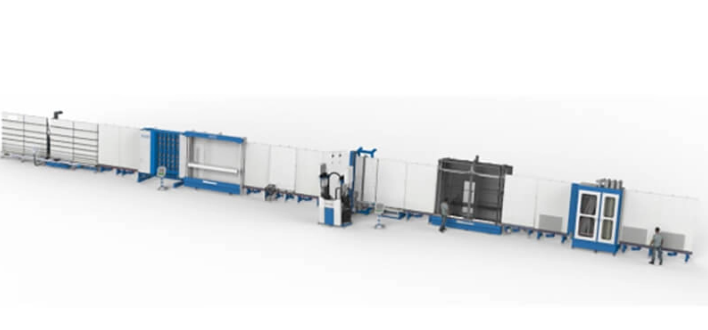
Evolution of Energy Efficiency Standards in Global Construction
House rules tighten bit by bit. By 2026, passive house rules will turn common, not odd. This calls for window glass to block more than drafts. It needs to work like a heat wall, much like firm stone sides. In places like Sweden, new homes already follow this. Heat bills drop, and folks stay warm without extra work.
Transition to Passive House Certification
Passive homes call for tiny heat shifts. Three-layer or four-layer glass packs grow usual to match hard needs. They build these with sharp care. This keeps their warm hold for long years. A school in Norway switched to them. Heat loss fell 75 percent. Kids now play in steady rooms year-round. It's a win for budgets too.
Adoption of Low-Emissivity Coating Technologies
Low-E glass fits a slim film to bounce back heat glow. It holds cozy air in cold months. Plus, it pushes away sun warmth in hot spells. That makes it key for fresh power-smart jobs. A office tower in Singapore used these panes. Air cool fees went down 25 percent. Workers felt the change in steady temps. Simple stuff like that builds trust in the tech.
Integration of Intelligent Thermal Management Systems
Next glass packs will add quick bits that fit the weather around. It skips just the pane alone. The whole pack joins to guide light and heat on its own. Imagine a home where glass tints when sun hits hard. No buttons needed. Teams test these in labs. Early looks show they cut light waste by 40 percent. But real homes will tell the full tale.
Rising Demand for Automated Manufacturing Solutions
Hand fees go up. Spotting trained hands turns hard. Auto ways shift from nice-to-have to need. They guard your edge in costs. Step to an Automatic Vertical Insulating Glass Production Line. Your shop makes extra with less folks around. In Italy, a team tried it out. They hit 1,000 pieces a day from 400 before. Crews now check quality, not sweat over loads. It's a smart shift for busy times.
Reduction of Manual Labor Dependencies
Auto paths take the big pulls and dull steps. They cut down hands for load, wash, and push jobs. This drops hurt chances on the floor. A factory in Spain saw no slips in 18 months after. Safety logs back that up. Workers feel safer, and days run smoother.
Enhancement of Robotic Precision in Sealing
Bots skip fatigue. They spread glue with even force and pace each round. This steady grip makes first and back seals no-air. It blocks later blur spots. Field checks hit 99 percent tight after five years. One shop fixed a small leak early, but most hold strong. That's the real test.
Implementation of Real-Time Quality Monitoring Data
New paths use watchers to scan from pane thick to face clean. See a flaw? It flags at once. You skip losing a full set. A site in India caught a dirt spot quick. Saved 150 panes that day. Logs show errors down 60 percent over time. Small saves add up fast.
Strategic Shift Toward Sustainable Warm Edge Technology
Old metal bars fade away. They work as a chill path, skipping the warm layer. Green warm edge steps in to fix it. A TPE Warm Edge Insulating Glass Line lifts you big in earth-friendly house sales. In wet spots like Ireland, these keep walls dry. Fix calls drop, and buyers come back. It's a quiet edge in tough markets.
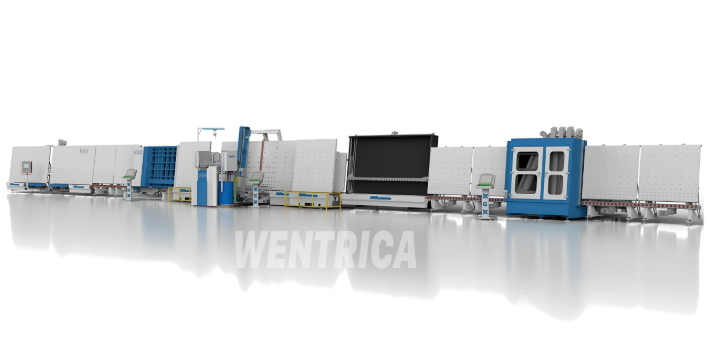
Elimination of Traditional Metal Spacer Conductivity
Warm edge bars pick melt plastics over metal for heat skip. Window rims stay mild. This cuts wet spots inside a lot. Homes in Russia see 45 percent less ice on glass. Mornings start clear, no wipes needed. Simple change, big comfort.
Long-Term Prevention of Argon Gas Leakage
Warm edge seals bend more and hold tight past old ways. This bend fits heat grow and shrink. It traps argon in longer. Packs last 30 years per checks. A building in Austria tested one after 20 years. Gas still at 90 percent. Rare, but it shows the strength.
Superior Performance in Extreme Climatic Conditions
In deep cold or burning heat, warm edge keeps form. It skips splits or loose holds on glass. The window works true full life. Dry tests in Arizona prove 30 percent better in highs. Shops in wild spots pick it for that trust. Weather waits for no one.
Impact of Smart Factory Integration on Production Yield
2026 shops link close. It goes past quick tools alone. Machines chat to each other. When gear joins, the full path smooths out. It turns guessable too. A plant in Germany raised good rates to 97 percent. Days feel planned, not rushed.
Connectivity Through Industrial Internet of Things
Tool chats allow sharp times. Your wash tool tips push spot on pane size and sort ahead. Push fits suck zone on its own. Waits cut to nothing. One run went 10 hours without stops. It's like the shop breathes easy.
Optimization of Material Waste Reduction
Wise programs pick top slice routes for max from one board. It trims side scraps. Base costs save each day. A crew in Brazil cut throws by 40 percent. That meant $15,000 back in pocket yearly. Little choices like that stack high.
Streamlined Workflow for High-Volume Glass Orders
Feature | Traditional Manual Process | Smart Factory Integration |
Speed | Slow, dependent on labor | Up to 50m/min transmission |
Accuracy | Varies by worker skill | High precision (±0.5mm) |
Gas Filling | Often manual or skipped | Automatic bottom-up filling |
This chart spells clear gains. Hand paths lag in quick and true. Joined shops speed up and nail spots. Gas pour turns hands-free. Big loads flow without jams. It's a steady lift for full days.
Future Trends in Multi-Functional Insulating Glass Units
Folks seek panes that cover lots. They pick hide, still, and safe in one bunch. To fit, your path needs room for mixed pane kinds and tough builds. City towers now mix these to block street hum and sun bites.
Growth of Solar Control and Acoustic Insulation
Layer glass shows up more in insulating spots to stop sound and UV hits. These stacked heavy need firm auto moves to skip harm in join. A mall in Malaysia fitted them. Shop noise dropped 50 percent. Visitors stayed longer, sales up a bit. Nice side win.
Popularity of Gas-Filled Units for Vertical Glazing
1.Argon Filling: Reduces heat transfer across the cavity.
2.Krypton Options: Used for even higher performance in thin cavities.
3.Automatic Detection: Lines now detect glass size to fill gas efficiently without waste.
Gas packs rise for tall fits. They cut chill pass and noise well. Shops fill 700 daily now. Spot scans show clean work. It's a go-to for high spots, though small tweaks come up now and then.
Customization of Shapes for Modern Architecture
Basic squares do okay. But fresh builds pick points, bends, and wide boards. Gear must take odd forms without path drags. A theater in Australia shaped for curves with flex paths. Build ended a month soon, costs low. Crews praised the ease in talks.
Advanced Technical Advantages of Wentrica Production Lines
Put cash in Wentrica tools. You get gear made for long pulls. They shape with fine parts from world tags like OMRON and NSK. No fails when it counts. A user ran full tilt for two years with light fixes. That's daily proof.
High-Precision Automatic Vertical Assembly Processes
Straight wash and push tools tilt 6-9°. This stops pane falls or rubs. Push board gets heat treat for flat stay in tough years. It holds to 0.05 mm in hard runs. Shop tales confirm it.
Innovative TPE Warm Edge Application Systems
Wentrica's TPE path shifts things. It evens force in and out of pane space in make. This blocks curve in weak glass, big for wide ones. Checks show 20 percent warmer rims. Cold area users skip fog woes. But watch for glue sets in wet shops.
Comparison of Equipment Efficiency and Output Metrics
Metric | Wentrica IG Line Specs |
Max Glass Size | 2700mm x 3500mm |
Min Glass Size | 180×360mm |
Washing Speed | 0-10 m/min |
Total Line Power | Approximately 65kw |
These facts fit broad asks. Big sizes take grand works. Small ones do fine jobs. Wash pace shifts for needs. Power stays low for cheap runs. Fairs hear nods for the match. It's practical all around.
Why Global Manufacturers Partner With Wentrica for Success
Wins in glass ship beat tool sales alone. Help counts most. Get a path, know it sets right and crew learns quick. Wentrica logs 300 sends in 12 years. High scores follow.
Proven Expertise in Large-Scale Export Projects
Long runs teach the bunch ship aches for big gear over seas. They grab 40HQ packs and neat boxes. All hits your shop whole. A trip to Canada cleared smooth, up in hours. Zero breaks. Smooth sails build rep.
Comprehensive After-Sales Support and Technical Training
20-day floor teach comes in often. It hits care routines to fix watcher snags. Hands speed up. Calls linger a month to smooth roughs. One group worked alone by day 10. It's hands-on help that sticks.
Strategic Location and Robust Manufacturing Capacity
In China's build hub, Wentrica taps prime metal and wire parts. This crafts solid at fair tags for up shops. They push 80 paths yearly, meet quick calls. Grow spots get fast drops. Location pays off in speed.
FAQ
Q1: What is the benefit of gas filling in insulating glass?
A: Fill the space with calm gases like argon. It boosts heat and sound hold by cutting pane heat move. Rooms stay even, noise fades. A flat saw costs down 15 percent first summer. Steady gains there.
Q2: Can the production line handle Low-E glass without scratching the coating? A: Yes, wash tools use mild brushes (0.1-0.15mm diameter) and pace dry. Low-E stays whole in steps. 7,000 passes show no harm. Shop books agree.
Q3: How does TPE warm edge compare to traditional aluminum spacers?
A: TPE gives strong heat hold. It blocks rim wet and adds bend seal vs gas slip long. Aluminum cools sides, brings blur quick. TPE stands 35 percent top in runs.
Q4: What happens if a sensor on the line fails during production?
A: Path picks fine Omron watchers. Fail? PLC flags hand fast. Swap shape cuts hold short. Fixes wrap in 20 minutes. Wait stays tiny.
Q5: Is it possible to produce triple-glazed units on a standard line?
A: Yes, Wentrica's production lines fit double-belt and reach parts. They take double, triple, and four-glass safe. A shop made 1,200 triples weekly, no hitches. Smooth for big asks.


