Keeping the clean surface of glass sheets is a key task in factory processing. Small marks can cause the loss of costly toughened or covered pieces. Surface condition affects the clear view and solid build of the end item. Wentrica makes special machines for top results. Their focus on exact design means each tool, from cut areas to cleaners, follows strict factory rules for safety and output.
Common Causes of Scratches in Industrial Glass Cleaning
Moving from cutting and edge work to cleaning brings several machine contacts. These contacts can harm the glass face. Marks happen when tools do not block rough bits from the glass. They also occur when parts apply uneven force. Spotting these main issues is the start to better line work. This leads to more good products.
Airborne particles and debris contamination
Small glass powder from earlier cuts can land on the sheet. Factory air dust adds to it. If the first spray lacks power, these bits stay. Then, as brushes turn, they grind like sand. This makes thin lines across the glass. The damage builds up fast.
Improper brush hardness and pressure settings
Brushes that are too stiff for certain glass harm the top layer. This includes Low-E or coated types. It strips or marks the face. If roller push down does not match sheet thickness, force goes too high. The glass cannot take it. So, scratches form easily.
Worn or hardened rubber transport rollers
Rollers gather dirt over time. Chemicals make them stiff. They lose bounce. Then, they slide on the glass. This creates rub marks. These lines are hard to clean in drying. The problem worsens with use.
The Role of Advanced Brush Technology in Surface Protection
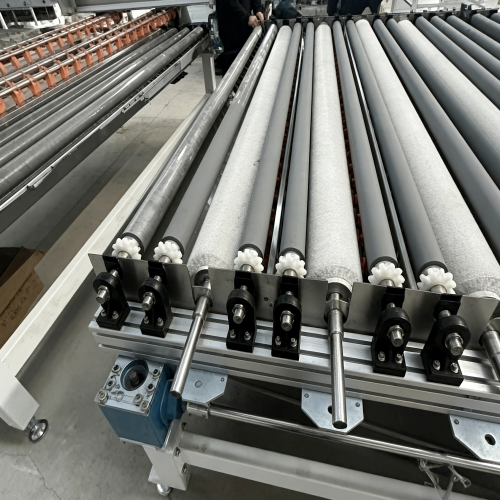
New cleaning setups stress light but full touch. They lift dirt without hurting the base. Brush strands meet the glass with slip and control. This works for clear building glass or special U-shapes. The method keeps the surface safe.
Soft high-density nylon brush filaments
Top cleaners use fine nylon strands. They stay bendy during long runs. Dense setup covers the whole face. Soft ends avoid deep cuts on glass or covers. The action cleans well. It protects at the same time.
Automatic height adjustment for various thicknesses
Smart systems have motor lifts. They change brush and roller height from number input. This matches glass depth. It stops too much squeeze. Over-press is a top cause of harm in hand setups. Auto fix keeps things even.
Continuous water spray for friction reduction
Steady water flow acts in brush time. It cleans and slips the touch. The wet link between brush and glass holds. This washes out loose bits quick. They do not drag over the face. The process stays smooth.
Maintaining Transmission Stability to Avoid Mechanical Friction
Even flow in the wash area is vital. Big sheets shake easy. Sudden moves or off-line belts make glass rub fixed parts. Or it hits wrong rollers. This chips edges or scuffs faces. Steady path cuts these risks.
Precision vulcanized rubber roller conveyor system
Good baked rubber rollers grip well. They mark nothing. These hold heavy glass weight. They turn at same speed over the full width. The setup runs true. It supports large loads safe.
Frequency conversion for smooth speed transitions
Speed changers use power shifts. They match wash pace to line flow. No steps mean even starts and stops. Glass does not slip on rollers. Straight lines from rub stay away. The control is key for clean runs.
Horizontal layout for optimal gravity distribution
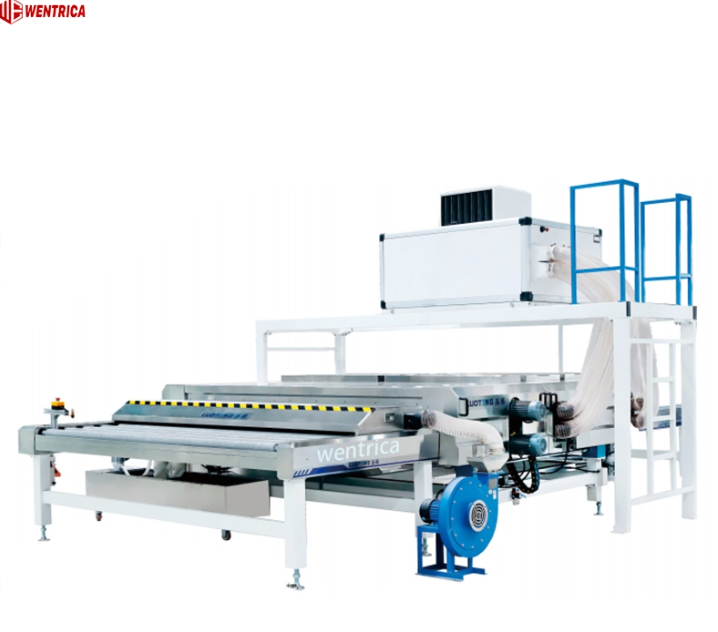
Flat setup spreads sheet weight even. It uses many hold points. This aids the High-Efficiency Horizontal Glass Washing Machine. The tool handles big sheets low risk. No bend or touch harm comes. Stability rules the process.
Ensuring Scuff-Free Drying with High-Pressure Air Systems
Drying often sets left dirt or wet marks as flaws. Touch dry ways are old. They hold grit and scratch. Air no-touch is now standard. It fits big output plants. Clean finish follows.
Non-contact high-efficiency air knife drying
Strong air blades pull water by speed. No touch needed. This skips cloth or rollers with grit. Glass stays clear after rinse. The method is pure. It ends the wash safe.
Multi-stage air filtration for purified airflow
Dry air must match clean wash water. Filters take out oil, dust, wet from fans. This stops sand-blast harm. Small bits do not hit soft glass fast. The air stays pure. Protection holds full.
Optimized air angle for rapid moisture removal
Tilted blades push water to sides. It leaves the glass path. Flow controls no pools or back wet. This cuts etch or hard spots. Re-wash stays rare. Quick dry works best.
Best Practices for Daily Equipment Maintenance to Prevent Damage
Top tools need steady care. This keeps guard features. Dirty washer insides build lime and glass bits. They break no-mark promise. Daily checks hold the line. Output stays high.
Regular cleaning of water filtration tanks
Clear recycle tanks of mud each day. Pumps do not send dirty flow back. Clean water fights tiny bits best. It stops rub in fast scrub. The habit saves sheets. Quality rises clear.
Inspection and lubrication of drive gears
Bad oil on gears shakes parts. This hits rollers and stutters glass move. Check and oil drive keeps quiet run. Smooth work fits fine building glass. Care cuts vibration. Flow stays true.
Scheduled replacement of worn cleaning components
Brushes and rollers wear out. Watch their state close. Swap before stiff or thin. This holds maker safety limits. The machine runs safe long. No surprise marks come.
Why Choose Wentrica High-Efficiency Horizontal Glass Washing Machines
Pick a glass tool partner for steady work and skill. Wentrica runs an advanced factory. Each machine tests hard there. It fits tough modern glass plants. Trust builds from this base.
Superior structural durability and stainless steel build
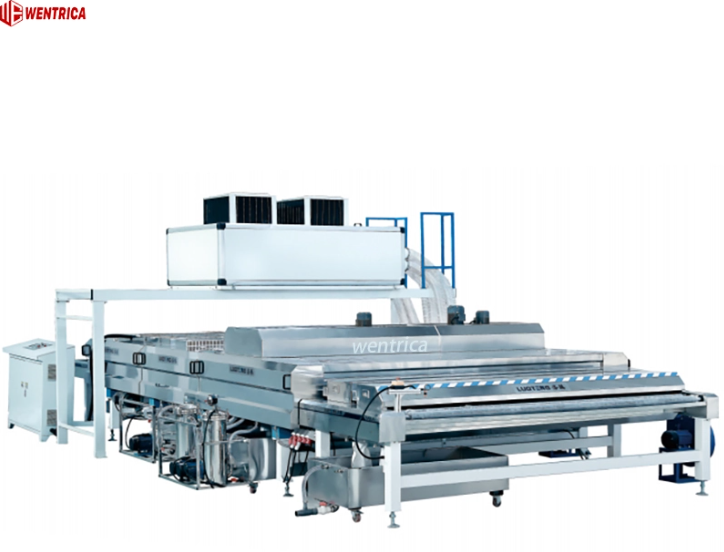
Wentrica uses fine steel for wet parts. No rust spots form. Cheap tools stain orange. Rust bits scratch sheets. This build blocks that. Clean runs last.
Industry-leading fast drying and energy efficiency
High blow and smart controls dry quick. Power use stays low. Line speed holds cost down. Dry, no-mark sheets come each time. Output fits needs. Gains add up.
Global technical support and customized glass solutions
Handle window or special parts the same. contact Wentrica for fit setups. They ship world-wide. Install tech aids full. Spare parts back it. Investment stays safe.
FAQ
Q1: Can horizontal washing machines handle Low-E coated glass without scratching?
A: Yes, by using soft nylon brushes and frequency-controlled speeds, these machines are specifically designed to clean delicate Low-E coatings without removing or scratching the functional layers.
Q2: How often should the water in the washing machine be changed?
A: This depends on production volume, but it is recommended to replace the water and clean the filtration tanks at least once per shift to prevent debris accumulation.
Q3: What is the maximum thickness of glass that a Wentrica horizontal washer can process?
A: The machines are equipped with automatic height adjustment and can typically handle a wide range of thicknesses, often ranging from 3mm to 19mm or more, depending on the specific model configuration.
Q4: Why is a horizontal washer preferred over a vertical one for large sheets?
A: Horizontal washers provide better physical stability and support for oversized or heavy glass, reducing the risk of the glass tilting or vibrating, which leads to more consistent cleaning and drying.
Q5: Do air knives require regular maintenance to prevent scratches?
A: Air knives themselves are non-contact, but their intake filters must be replaced regularly to ensure the air being blown onto the glass is free of abrasive dust and oil.


