High-speed glass edging plays a key role in large-scale manufacturing. Yet, it counts as one of the riskiest steps in glass processing. Cutting down on breakage calls for close teamwork between machine setup and material care. As an expert in glass tools, Wentrica offers full, all-in-one services for planning and shipping high-output glass machines. Their setup helps your plant reach top output with little scrap from the modern production site.
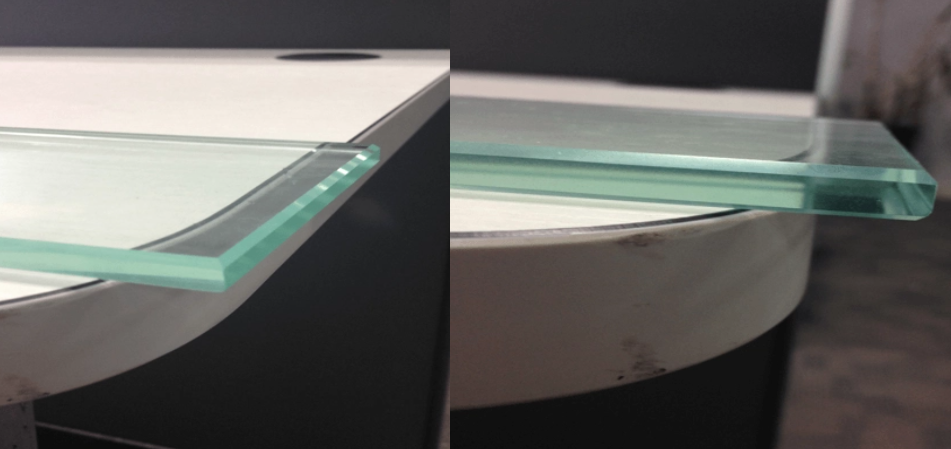
The Root Causes of Glass Breakage in High-Speed Processing
To fix breakage issues, you need to spot the main physical strains that hit glass in a fast edger. Most breaks do not happen by chance. They stem from clear mechanical or heat-related faults in the grinding stage.
Excessive mechanical vibration impact
Vibration harms glass strength the most. A machine at fast speeds can face spindle or belt issues. These create small shakes that chip edges or cause full breaks. So, balance matters a lot.
Uneven grinding pressure distribution
Grinding wheels that push uneven force on the glass build up stress in spots. This leads to cracks that spread from the edge to the middle. The uneven load often triggers such problems.
Intense localized thermal stress buildup
Grinding creates a lot of heat. Without good control, the cool middle contrasts with the hot edge. This difference causes expansion strain. It ranks high as a break cause in tough or thick glass.
Optimizing Machine Stability to Prevent Edge Cracks
Your gear's build sets how well it copes with fast tasks. A weak body fails to cut down forces from motors that turn thousands of times a minute.
Heavy-duty cast iron frame construction
Pick machines with strong cast iron frames that resist fire. These get special handling to avoid shape changes over years. They offer a firm base that keeps glass steady in edging. Thus, shifts stay low.
High-precision guide rail alignment
Guide rails must line up exactly for straight glass paths. Any off-track setup twists the glass on wheels. This brings side force and quick breaks. Proper setup avoids that risk.
Advanced anti-vibration structural design
New edging tools use parts that soak up shakes. They keep motor motion away from the glass path. This holds edges firm as speed rises. It boosts overall safety.
Implementing Advanced Control Systems for Smooth Material Feeding
Glass entry and exit from the machine shape batch success. Hand or basic feeders often miss the glass's soft leading part.
Bi-servo transfer system integration
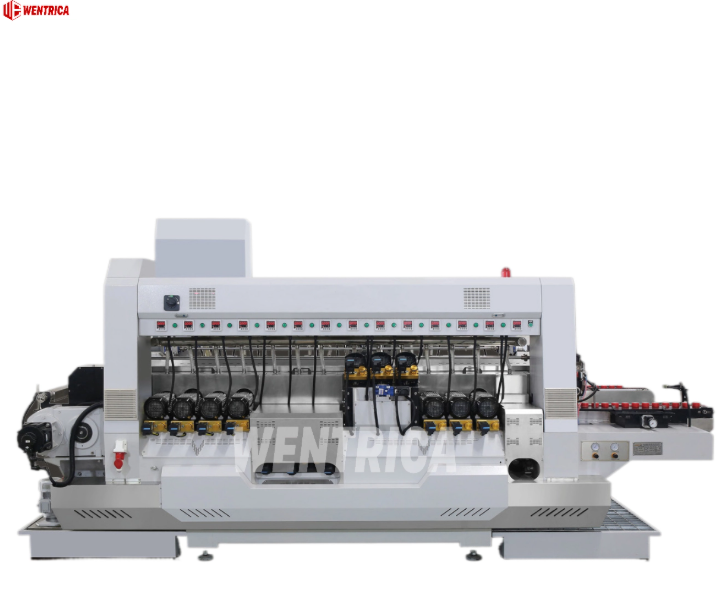
The WE-2524-DN Full Automatic High Speed Double Edger uses a two-servo feed setup. It auto-feeds each wheel and fixes wear. This keeps a tight, even hold on glass. So, flow stays smooth.
Automatic buffer pressure adjustment
Buffer tools absorb first hits when glass meets diamond wheels. Top systems use air or electric buffers for soft starts. They stop the crush from stiff feeders. This aids safe handling.
PLC-controlled synchronization of glass movement
Programmable Logic Controllers store settings for glass kinds. This cuts out worker mistakes. Speed and force stay steady in runs. It ensures reliable results.
Enhancing Cooling and Lubrication Strategies during Fast Grinding
Good cooling means targeted water at friction spots. Right lubrication stops glass from hitting heat limits.
Internal water circulation cooling efficiency
New machines have inner water loops for steady spindle flow. This keeps areas clean and glass temps even. It proves key for High-Speed Straight Line Glass Edging.
Constant temperature maintenance at contact points
Smart water sprays target where grit meets glass. This cuts hot spots in fast rubs. It guards glass build during work. Safety rises as a result.
Adaptive water spraying for dust removal
Water clears glass dust too. Dust on wheels ups rub and heat. This leads to rough edges and cracks. Clear flow prevents that buildup.
Selecting the Right Number of Spindles for Stress Reduction
Motor count on your gear affects material cut per pass. Spreading tasks protects weak glass well.
Multi-spindle load distribution benefits
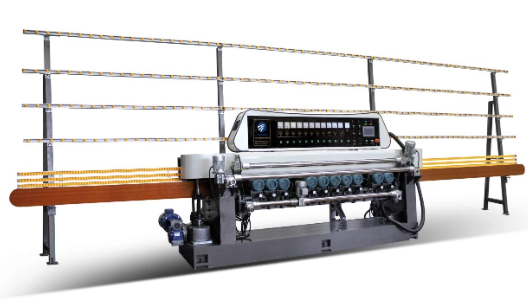
The WEX371P High-Speed Straight Line Glass Edging Machine spreads force over 11 motors. No single one pushes too hard. This suits layered or safe glass. It lowers edge strain.
Gradual removal of glass material
Multi-motor setups cut material bit by bit. They skip full removal in one go. This eases mechanical load on edges. Breaks become less likely.
Precision polishing without structural strain
Set some motors for fine grind and shine. This gets clear finishes without hard pushes. The end item looks good and holds strong. Quality stays high.
Why Wentrica Solutions are the Industry Standard for Low-Breakage Edging
Trust in glass work builds on years of design tweaks. The best partner gives gear for steady factory use.
WE-2524-DN servo-driven high-speed double edger
This tool fits fields needing fine shine, like tanks and displays. Its two-servo and auto-fix cut setup time. Quality holds at top levels. It boosts daily output.
WEX371P 11-motor precision straight line machine
It has a strong cast iron body and exact PLC control. Error stays under 0.1mm. This works for varied thick glass and layers. Factories gain from its toughness.
Professional glass deep processing factory expertise
The Wentrica factory stresses new ideas and strong build. Every machine passes strict safety and output tests. This gives the firm base to cut breaks and raise gains. It supports long-term success.
FAQ
Q1: Why does glass break more often at high speeds?
A: Breakage increases at high speeds due to intensified mechanical vibrations and faster heat buildup, which create excessive stress on the glass edge if the machine lacks proper dampening and cooling.
Q2: How does a servo feeding system reduce breakage?
A: A servo system provides much smoother and more precise movement compared to traditional motors, preventing the sudden jerks or uneven speeds that often cause glass to crack during the feeding process.
Q3: Can an 11-motor machine handle thin glass safely?
A: Yes, an 11-motor machine is actually safer for thin glass because it distributes the grinding workload across more spindles, meaning each individual motor applies less pressure to the delicate edge.
Q4: What role does the machine frame play in glass safety?
A: A heavy cast iron frame absorbs the kinetic energy and vibrations of the motors, ensuring the glass remains perfectly still and aligned, which prevents chips and fractures caused by oscillation.
Q5: How often should I check the cooling system to prevent breakage?
A: You should inspect the water circulation and spray nozzles daily to ensure unobstructed flow, as any lapse in cooling will lead to immediate thermal stress and a high risk of glass breakage.


